
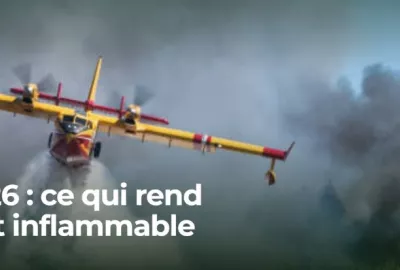
68,000 hectares burnt in 2026. Depleted soils, flash droughts, the condition of the stands: the factors that make a forest highly flammable long before the first spark.
Forest Journal
The new SBTi V2 standard sets out a clear path: reduce emissions first, but also fund forest conservation through the OER programme. What changes before and after 2035, and where do forest credits fit in – explained without the jargon.
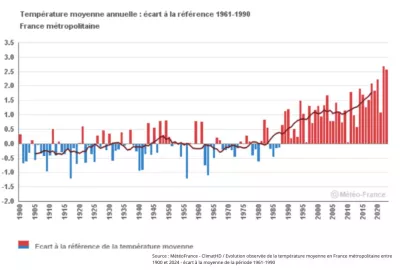
May 2026: 292 records broken – a month not seen since 1947. What does science tell us about forests in the face of the 2026 heatwave, and how can we adapt them?
With SBTi V2.0, a milestone is set for 2035: 40% of ongoing emissions will have to be covered by verified removals or reductions, up to 83% of which can still come from forests. LBC projects launched today will be in full sequestration by then.
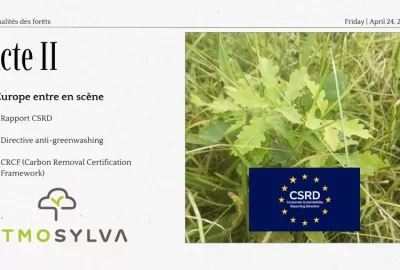
Since 2025, the CSRD has required large companies to publish a legally binding climate report — where LBC credits are recognised as a verified voluntary contribution. In September 2026, the EU anti-greenwashing directive will come into force across the entire Union. The LBC is structurally aligned with these new requirements.
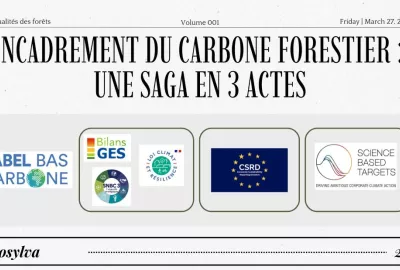
The first instalment of our series on forest carbon credits: a return to the fundamentals in France — BEGES, SNBC 3 and the framework for claims — to understand the context in which the Low Carbon Label was created.